

A War Veteran's Story of Survival, Recovery and Advocacy

In May of 2023, my life changed. Not because of prostate cancer, but because of separation.
After years of marriage, my wife and I unexpectedly separated, and, suddenly, I found myself standing in unfamiliar emotional territory while still trying to maintain the appearance of normal life.
I was still working, still handling responsibilities, still trying to process paperwork, decisions, uncertainty, and questions about what my future would even look like.
At my age, certain thoughts begin creeping into your mind. Will I be alone? Will I ever find love again? Will I still matter to someone later in life?
The diagnosis: “We found the cells.”
While I was trying to answer those questions, another unexpected moment arrived. My doctor called me after additional testing following a rise in my PSA levels. He didn't say, "You have prostate cancer."
Instead, he quietly said: "We found the cells."
And just like that, my world changed again.
As a veteran who served in Kuwait during the Gulf War era, including time at Ali Al-Saleem Air Base, I found myself asking many of the same questions veterans ask after receiving a difficult diagnosis. You search your memory. You think about where you served and what you may have been exposed to. You wonder whether any of it played a role.
Who to tell first?
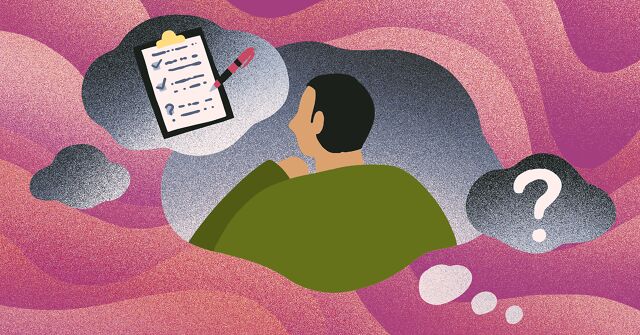
Eventually, though, I realized there was a more immediate question: What do I do now?
At first, I struggled with who to tell. My parents were no longer living. My closest family members were my sisters, but even then, I found myself hesitating. I even wondered whether I should tell my separated wife. Would she care?
In the end, I told the people closest to me, and almost immediately everyone wanted to know: "What are you going to do?" The truth was that I didn't know yet. I needed time.

Waiting, on prostate cancer’s clock
I researched constantly. I watched videos, read studies, listened to survivors, and tried to understand the options available to me. Like many men diagnosed with prostate cancer, I found myself navigating an overwhelming world of medical terminology, treatment choices, opinions, side effects, statistics, and fear.
A friend eventually connected me with another man who had undergone surgery the year before. He openly shared his experience and recommended a surgeon at Memorial Sloan Kettering.
I walked into that appointment expecting to hear: "We need to do surgery immediately." Instead, I heard something unexpected: Active surveillance.
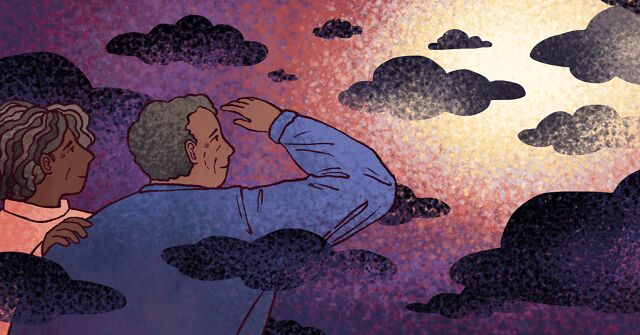
Mentally, I had already prepared myself for treatment. Instead, I found myself living in a strange space between diagnosis and waiting. That waiting can weigh heavily on a man. You continue working. You continue smiling. You continue functioning.
But mentally, part of you is carrying cancer everywhere you go.
Surviving and recovering from cancer are not the same
Eventually, about a year later, I underwent surgery. Then came the realities many men are uncomfortable discussing publicly: incontinence, pads, erectile dysfunction, embarrassment, and learning to adjust to a body that no longer works exactly the way it did before.
You learn quickly how much pride, confidence, sexuality, and masculinity can become connected to things you may never have fully appreciated until they changed. You adapt.
You carry extra supplies. You wear darker clothing. You learn where the bathrooms are. You quietly try to maintain your dignity while learning your body all over again. And you discover that surviving cancer and recovering from cancer aren't necessarily the same thing.
How support from fellow veterans changed me
At the same time, I began hearing about more men around me being diagnosed. Friends. Acquaintances. Men who had no symptoms at all. Slowly, my perspective on life began changing.
Things I once thought mattered so much suddenly became less important: fancy cars, jewelry, status, material things. When your health changes, your priorities change. What mattered most became health, family, friendship, peace, purpose, and time.
As a veteran, I eventually found support through VA-connected prostate cancer groups and other survivorship communities where men spoke honestly about fear, recovery, side effects, relationships, sexuality, and survival.
Those conversations changed me. Because once another man looks you in the eye and says, "I went through that too," something shifts inside you. You stop feeling completely alone.
Finding meaning through advocacy
Over time, I decided I didn't want this experience to exist only as pain. I wanted something useful to come from it. I became more involved in prostate cancer conversations and survivorship advocacy. I began participating in support discussions, speaking more openly about my own recovery, and eventually became involved with a prostate cancer podcast.
I also created Tell Five Men, a grassroots awareness effort built around encouraging conversations about prostate cancer screening and early detection. But for me, the name of an initiative isn't the important part. The conversation is. And those conversations aren't only for men.
Women are often the ones encouraging the men they love to make the appointment, ask the question, get the test, or stop pretending something can't happen to them. Wives, sisters, daughters, mothers, partners, caregivers, and friends can play an enormous role.
No more whispers about post-treatment aftermath
I know something about watching cancer affect a family. My mother battled both breast and pancreatic cancer. Perhaps that is another reason I now understand how important awareness can be.
Today, I continue participating in survivorship communities and speaking openly about things men sometimes whisper about: fear, incontinence, erectile dysfunction, relationships, masculinity, and what life looks like after treatment.
There is a quote often attributed to Horace Mann: "Be ashamed to die until you have won some victory for humanity." That quote stays with me now more than ever.
Despite the separation from my wife, despite the diagnosis, despite the fear, the adjustments, the embarrassment, and the emotional weight that prostate cancer can place on a man, I've almost found my why.
I say almost because I think I'm still figuring some of it out.
Sharing is powerful medicine
But if sharing my story helps one man make an appointment sooner, helps another survivor feel less ashamed about what his body is going through, or simply causes two people to have a conversation they otherwise wouldn't have had, then maybe something meaningful came from all of this.
I'm not an especially religious man, but I once heard someone say that our steps may already be ordered.
Maybe so.
All I know is this: Life changed for me the day my doctor said, "We found the cells." But purpose may have started the day I decided not to stay silent afterward.
Join the conversation