

The Hardest Part Was Asking for Help

It took me nearly four-and-a-half years after my prostate cancer diagnosis to ask for help. That still surprises me, because it wasn't that support wasn't available.
My family cared, friends checked in, mental health professionals were there, and online peer support communities existed all along. The real problem wasn't the lack of support — it was that I couldn't imagine myself being the kind of man who needed it.
I was conditioned to be strong
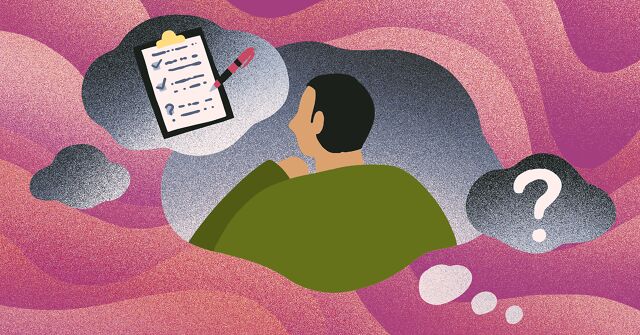
Like many men, I believed my job was to solve problems, not become one. I had spent 25 years in the military and nearly three decades as an air traffic controller. Both careers reinforced the same mindset: stay calm under pressure, make good decisions, and never let people see you rattled. That approach had served me well throughout my life. So when I was diagnosed with stage 4 prostate cancer at 45, I responded the only way I knew how.
I focused on treatment. I researched my options, made decisions, and showed up for surgery, chemotherapy, hormone therapy, and radiation. I stayed busy solving one problem after another. As long as I had something to fix, I didn't have to stop long enough to acknowledge what cancer had done to my life.
Looking back, I wasn't healing emotionally. I was surviving physically.
Then I reached a breaking point mentally
As the years passed, I expected life to slowly return to normal. Instead, new complications appeared. Radiation left me with radiation cystitis. I began bleeding from my bladder and passing blood clots. Just when I thought I had moved beyond treatment, my body reminded me that cancer still had a voice.

The physical symptoms were difficult, but they weren't the hardest part. The hardest part was believing I had to face them by myself. My wife became the only person I talked to about what I was feeling, and over time every fear, frustration, and disappointment landed on her shoulders.
Looking back, I can see how unfair that was. She loved me and wanted to support me, but I expected her to meet needs that no spouse could meet alone. Eventually, our relationship reached a breaking point, forcing me to admit something I had been avoiding for years: I needed help.
I needed someone who understood what I was going through
For my first step, I spoke with my doctor about what I was going through, and he recommended that I see a psychiatrist. I'm grateful I took that step, because the medication helped with some of what I was experiencing. But I soon realized that medication couldn't answer the questions that kept me awake at night: Who am I now? Will I ever feel like myself again?
How do I move forward when my body has permanently changed? I didn't just need help managing my symptoms — I needed someone who understood what it was like to live with them. That realization led me to an online peer support community.
Connecting with fellow prostate cancer survivors
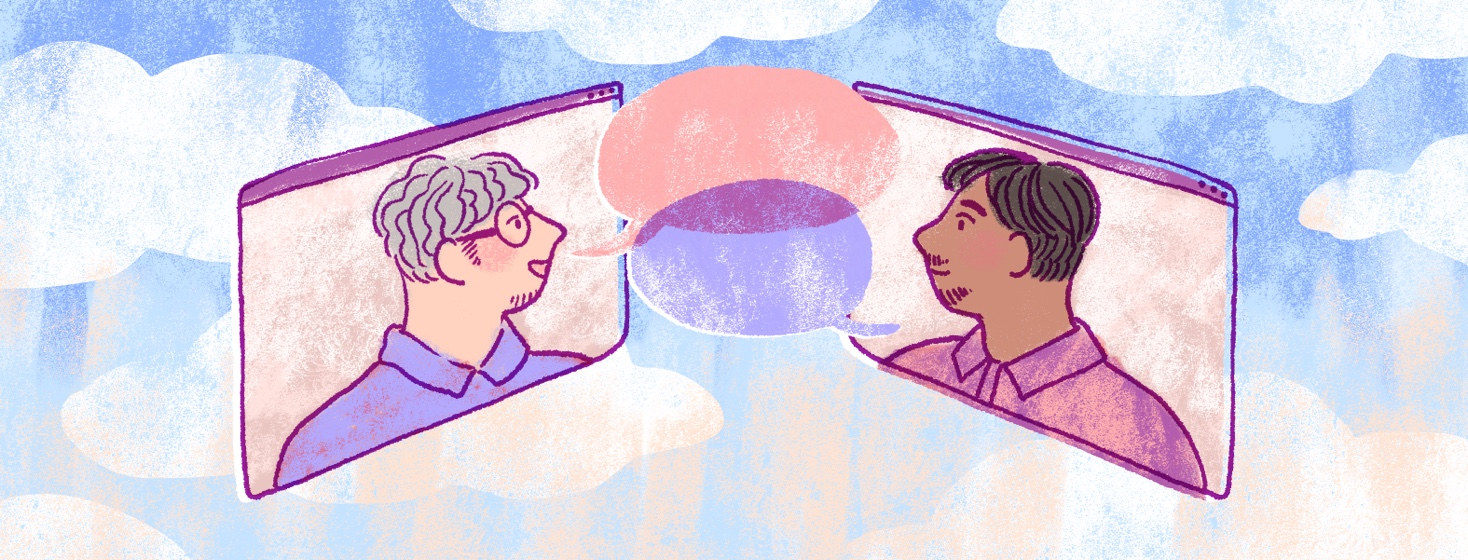
I still remember logging into my first online meeting. Faces from across the country filled my screen. Some men had been diagnosed only weeks earlier, while others had been living with prostate cancer for years. We came from different backgrounds, different careers, and different stages of the disease. Yet we all understood something few people outside that community could.
For the first time since my diagnosis, I didn't have to explain myself. No one looked uncomfortable when I talked about incontinence, erectile dysfunction, or the lingering effects of treatment. No one rushed to reassure me or tried to fix what I was feeling. They simply listened, not because they had the perfect words, but because they had lived enough of the journey to understand.
I realized I didn't have to face this alone
I logged in looking for answers. I logged out knowing I wasn't alone. Not because my circumstances had suddenly changed. I was still dealing with radiation cystitis, my marriage was still struggling, and my future was still uncertain.
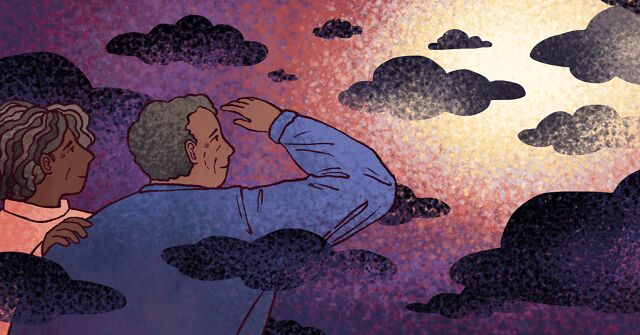
It was because something inside me had changed. For the first time in years, I no longer believed I had to face it all by myself. I realized that support isn't about finding someone who has all the answers. It's about finding people who understand the questions because they've asked them, too.
I stopped pretending I was fine
From that point on, healing became more than managing side effects and keeping doctor's appointments. It meant being honest about my fears, listening to other men's stories, and allowing myself to be known instead of pretending I was fine. Looking back, I wish I hadn't waited four-and-a-half years.
I wish I had understood that asking for help isn't giving up your independence. It's recognizing that healing happens in more than operating rooms and infusion centers. Some of the most meaningful healing happens through honest conversations with people who truly understand what you're experiencing.
Choosing to let others in
Today, I often meet men who remind me of myself after my diagnosis. They're determined to handle everything on their own because they believe that's what strength looks like. I understand that mindset, because I lived it.
But if prostate cancer has taught me anything, it's that strength isn't measured by how much suffering you can hide. Sometimes the strongest decision you can make is letting someone else walk beside you. I survived prostate cancer because of excellent medical care. I began healing the day I stopped believing I had to do it alone.
Join the conversation